Sustainability vs Green Hype Why Real Trees Matter
Mar 16, 2025
“Sustainability” has become one of the most overused words in business. It appears in presentations, product labels and mission statements, often without any clear link to what a company actually does.
Underneath the marketing language, there is a simple distinction:
Sustainability is about how systems are designed, built and managed over time.
Green hype is about how those systems are described.
In the context of agriculture, climate and real-world assets, that difference matters. And it is exactly where a project built around real olive trees and olive oil can either be a strong example of sustainability or just another instance of green branding.
At Global Olive Corporation (GOC), we design our model so that it sits firmly on the first side of that line.
1. What sustainability should mean in practice
If the word “sustainability” is going to mean anything, it has to go beyond generic statements about caring for the planet.
In practical terms, sustainability should answer a few very concrete questions:
Can this system function for decades without exhausting its own foundations?
Does it create value for more than one stakeholder group?
Is it built on structures and decisions that can be explained and tested?
For an olive-based ecosystem like ours, that translates into:
Land that is managed for long-term productivity, not short-term extraction.
Trees that are planted, maintained and harvested according to agronomic reality, not wishful thinking.
Products and financial instruments that are explicitly linked to what happens in the orchards.
If these elements are missing, “sustainability” becomes decoration rather than design.
2. How green hype shows up in agriculture and climate narratives
Green hype is not always malicious. Sometimes it is simply the result of pressure to say “something positive” quickly.
Typical patterns look familiar:
Vague claims: “We support nature”, “We plant trees”, “We offset emissions” without any details on scale, duration or responsibility.
Short-term campaigns: one season of activity, followed by long-term silence.
Disconnected projects: initiatives that sit outside the core business and never affect how decisions are actually made.
Lack of ownership: everyone mentions the project in communication, but nobody can explain who is responsible for results on the ground.
In agriculture and nature-based solutions, green hype often hides in phrases like “regenerative”, “climate-positive” or “impact-driven” without a clear description of what is being regenerated, how climate impacts are measured, or who verifies any of it.
For investors, partners and customers, the difference between substance and hype is usually found in the details that follow the headline.
3. Why we built our model around olive trees
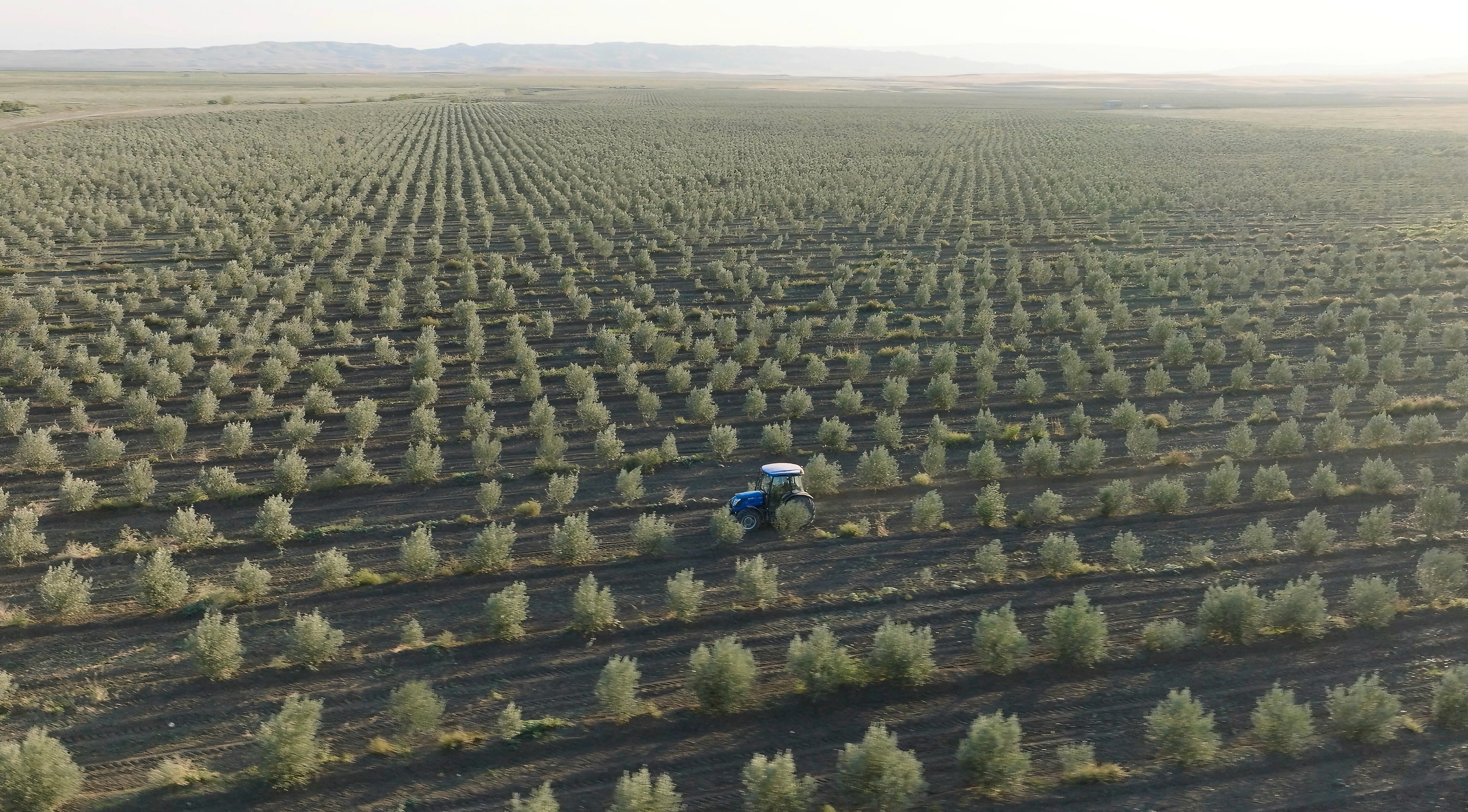
At GOC, we chose olive trees not because they sound “green”, but because they are structurally suitable for long-term, real-asset-based sustainability.
Several properties make them relevant:
Longevity
Olive trees can live and produce for decades. That means decisions made today will still matter in 10, 20 or 30 years. Sustainability is not a slogan in that time frame; it is a daily operational requirement.Productive value
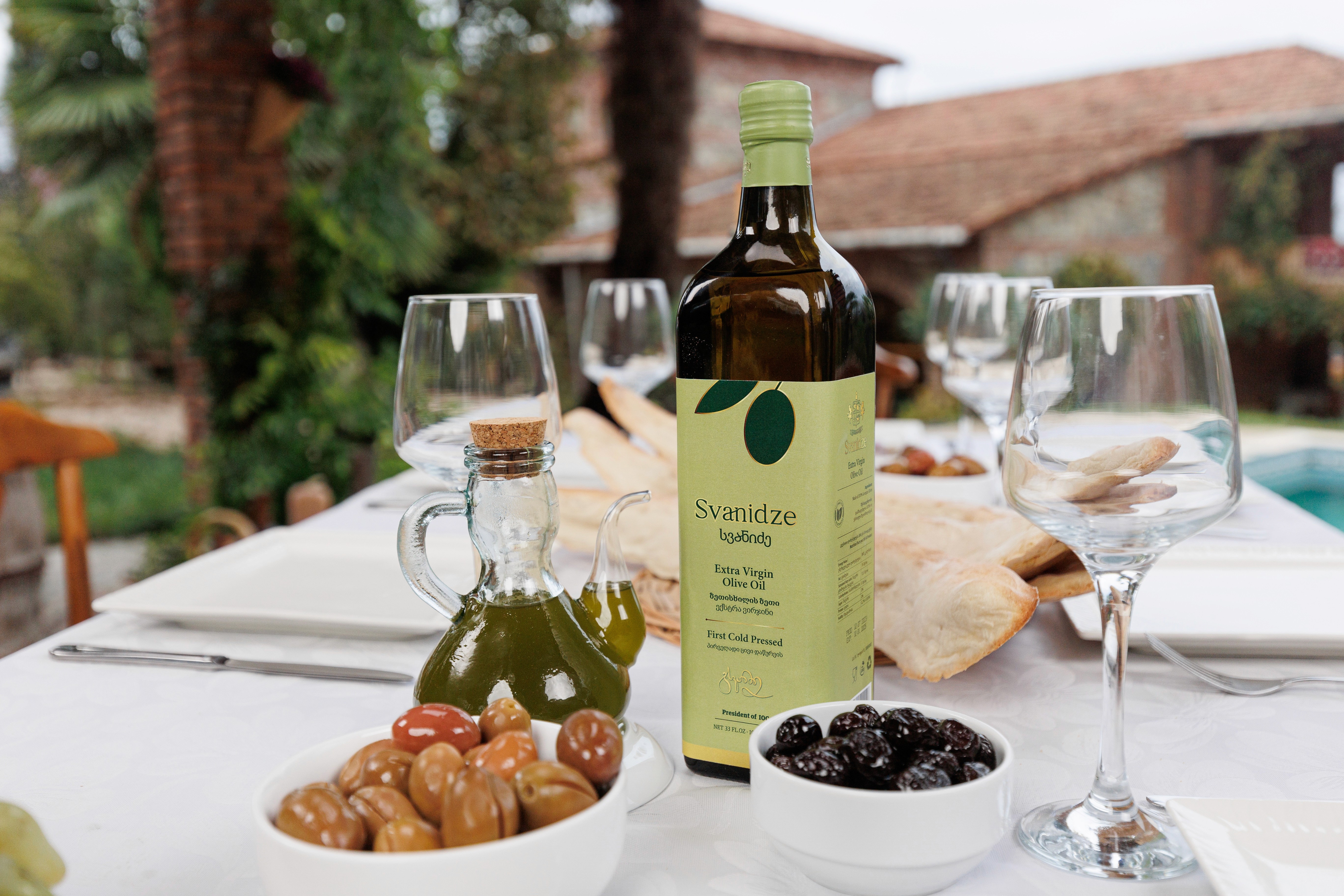
Trees are not only carbon and landscape. They produce olives and olive oil, which link environmental value to tangible economic activity.Suitability to dry and semi-arid regions
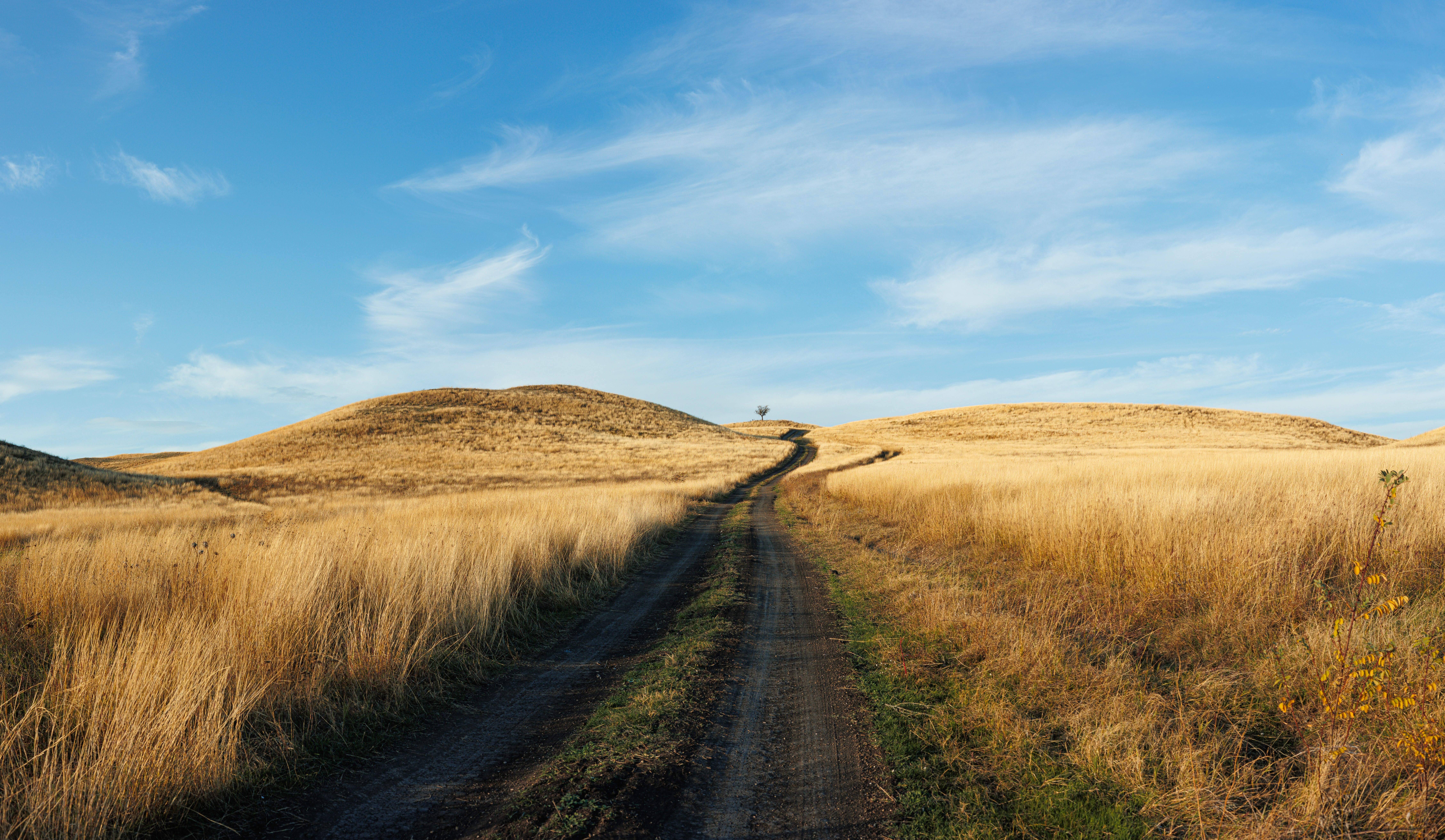
With proper planning and water management, olive cultivation can work in conditions where many other crops face increasing stress. That connects sustainability to resilience, not just to branding.Alignment with real-world asset tokenization
Because olive trees are long-lived, geographically specific and measurable, they provide a solid base for data-driven tokenization. Tokens and digital instruments can be tied to assets that actually exist, grow and produce.
In other words, olive trees are not a backdrop to our narrative. They are the foundation of the system we build.
4. From hype to structure: how we connect land, products and tokens
To avoid green hype, we focus on structure rather than slogans. That means designing clear, traceable links between:
Land and plantations
Identified locations
Defined cultivation plans
Long-term management strategies
Trees and agronomy
Number of trees
Varieties and planting schemes
Monitoring of health, growth and yields
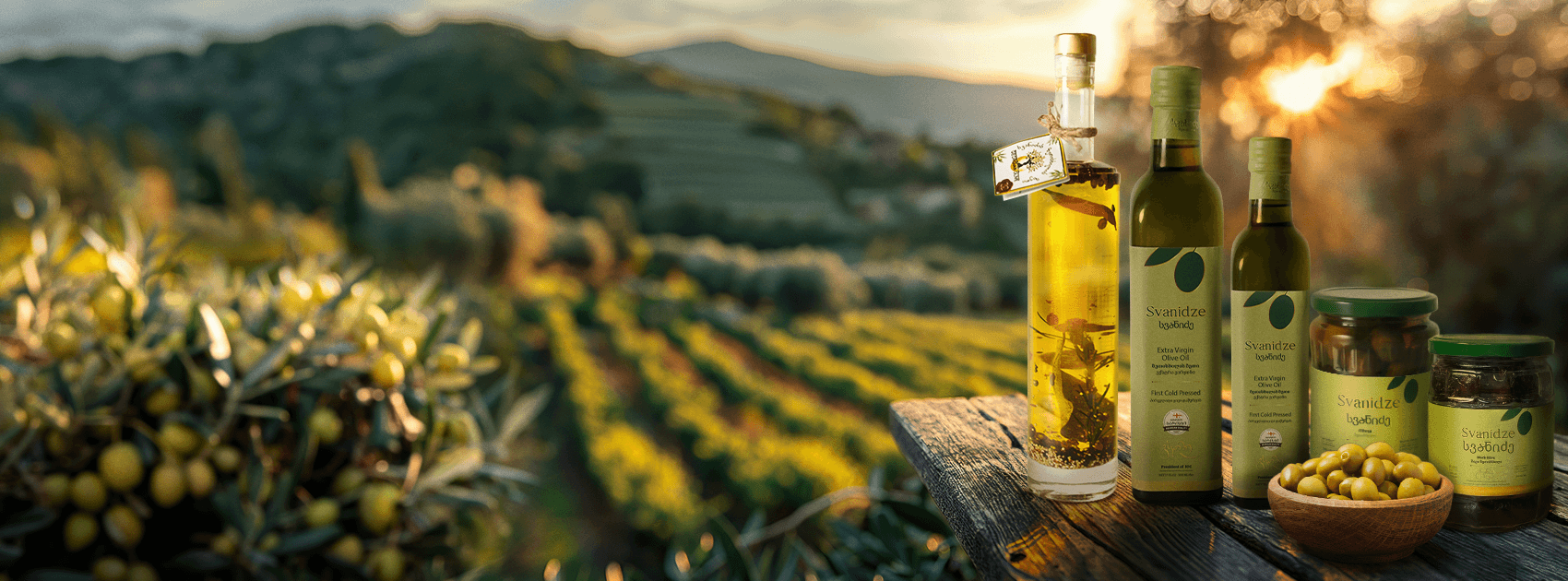
Harvests and olive oil products
How olives are processed
How quality is controlled
How products are positioned in the market
Data and digital twins
How field, operational and remote sensing data are collected
How they are integrated into a coherent view of plantation performance
Tokens and financial instruments
How digital instruments are linked to underlying assets and rights
How this structure is intended to make the connection between real assets and digital ownership transparent
By putting this structure first, we align operations, products and tokenization under one logic:
real assets, real data, real claims.
5. Measuring value beyond slogans
Sustainability, if taken seriously, also requires clear notions of value:
Economic value
Long-term plantations and quality olive oil products must support viable business models for growers, operators, investors and partners.Environmental value
Trees, soils and landscapes must contribute to climate and biodiversity outcomes that can be observed, measured and improved over time.Social value
Local communities, workers and supply chain partners need to see the benefits of long-term, structured development rather than only short-term extraction.
In our case, this means that an olive plantation is not only a line on a map or a story in a brochure. It is a place where:
agronomic choices,
business models,
and climate considerations
are intentionally connected.
When we design projects and partnerships, we ask the same questions that sophisticated stakeholders ask:
What is the time horizon?
What is the governance and ownership structure?
How does this project fit into a coherent transition or growth plan, not just a marketing campaign?
6. How partners can tell a credible story with olives
For companies looking to integrate agriculture, nature-based solutions or real-world assets into their own sustainability strategies, the temptation is often to lead with claims.
We believe it works better to lead with mechanics:
Show what kind of asset you are connected to (e.g. olive plantations and olive oil supply).
Explain how that asset is managed and monitored.
Clarify which part of the value chain is yours and which belongs to partners.
Only then describe the climate, nature or impact benefits that may be associated with it.
Our role at GOC is to provide a platform that makes this easier. Because our model is built on defined plantations, traceable products and data-backed digital instruments, partners can:
reference real locations and assets,
connect olives and olive oil to their own climate and sourcing strategies,
and avoid generic “green” statements that will be questioned by investors, regulators or NGOs.
We are not in the business of writing sustainability reports for others, but we are building an ecosystem that can stand inside those reports without stretching the facts.
7. Where we draw the line
In a market full of impressive language, drawing lines is important.
At Global Olive Corporation, we choose to:
Prioritise long-term plantation development over short-term, symbolic projects.
Build products and financial instruments that are explicitly tied to real assets and data.
Avoid phrases that we cannot support with evidence, even if they sound attractive.
Work with partners who treat sustainability as a design constraint, not a headline.
That does not mean everything is perfect or risk-free. Agriculture and markets always involve uncertainty. But it does mean that when we talk about sustainability, we talk about specific trees, specific groves and specific structures, not just ambitions.
Conclusion: substance first, narrative second
The difference between sustainability and green hype is not philosophical. It is operational.
Hype starts from what sounds good and searches for projects to match.
Sustainability starts from systems that can actually work for decades and then explains them clearly.
By building our model around olive trees, olive oil and data-backed tokenization, we chose a path that requires patience, structure and long-term thinking. It is slower than launching a purely symbolic campaign, but it is better aligned with what serious partners and investors expect.
In the end, the most credible sustainability story is simple:
real places, real assets, real people, real timeframes.
For us, that story is written in olive trees.