7 Signs You’re Ready for a Carbon Footprint Strategy
Apr 6, 2025

Many organisations say they care about climate, but not all are ready to move from intentions to measurable action. A carbon footprint strategy is not just a spreadsheet exercise; it is a decision to treat emissions as part of how you run the business.
Here are seven signs that your organisation is ready to take its carbon footprint seriously – and to connect numbers with real assets, such as long-term agricultural projects and nature-based solutions.
1. You know climate is a business issue, not only a communications topic
The first sign is simple: climate has moved from marketing slides to management discussions.
If your leadership team is already asking questions such as:
How exposed are we to climate-related regulations and customer expectations?
How will energy prices, supply chains or agricultural risks affect our margins?
Where could climate-related opportunities come from?
…then you are past the stage of slogans. You are starting to see emissions and climate risk as part of core strategy, which is exactly where a carbon footprint strategy belongs.
2. You have enough operational data to do more than guess
A carbon footprint strategy does not require perfect data, but it does require basic visibility into your operations.
You are likely ready if you can already answer questions like:
How much energy you use in your main sites or facilities.
How your products move through logistics and distribution.
Which suppliers or activities drive the bulk of your spending.
This is the raw material for mapping Scope 1, 2 and 3 emissions. If you have at least some consistent operational data, a footprint can move from rough estimates to a structured picture that is useful for decisions.
3. You are willing to look beyond your direct emissions
Organisations that are not ready yet often say “we only control our own sites” and stop there. Those that are ready understand that value chain emissions (Scope 3) are often where most of the impact sits.
You are ready for a serious footprint strategy if:
You accept that your responsibility extends into purchased goods, logistics, use of products and end-of-life.
You are open to engaging suppliers and partners with data requests and improvement plans.
You see value in understanding emissions across the full life cycle of your products or services.
This does not mean having all Scope 3 data from day one. It means recognising that a credible climate strategy cannot ignore it.
4. You see investing in real assets as part of your transition
A carbon footprint strategy is not only about counting. It is also about deciding which assets you want to build around as you move toward lower emissions and more resilient systems.
You are ready if:
You are looking for real, long-lived assets that can support both business value and climate goals.
You understand that nature-based solutions, when designed well, are not just offsets, but productive components of your value chain.
You are open to linking your climate strategy to tangible projects such as renewable energy, efficiency upgrades or agricultural landscapes.
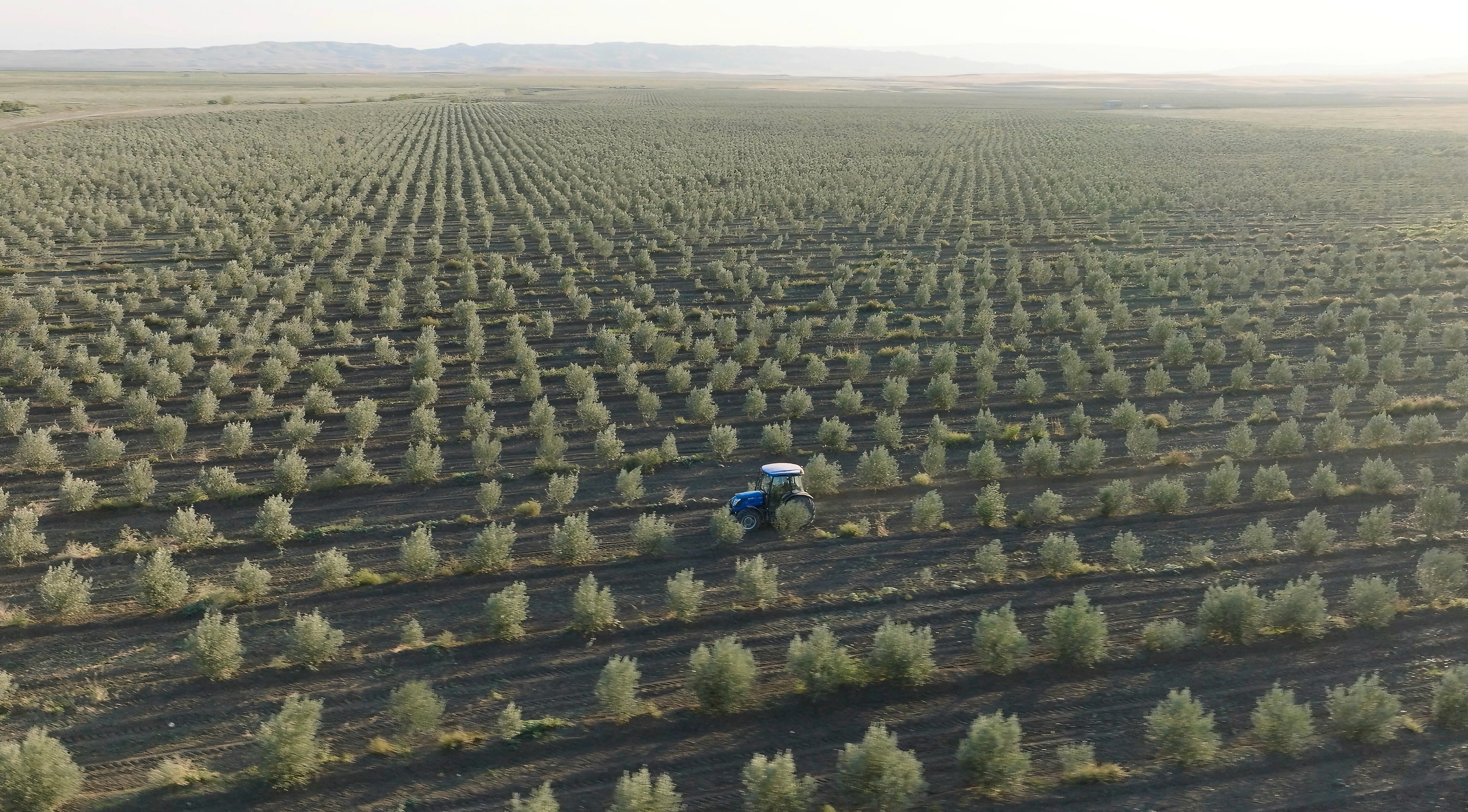
For example, long-term olive plantations can support both product strategies (olive oil, by-products) and climate-related narratives (land use, carbon storage, resilience), when they are managed with proper data and governance.
5. You are prepared to set targets and be held accountable
Another sign you are ready: you are willing to move from “we want to reduce emissions” to “here are our targets and timelines”.
This means:
Setting at least medium-term emission reduction goals that are realistic but not minimal.
Accepting that progress will be tracked and sometimes questioned by investors, customers or employees.
Being ready to explain not only what your targets are, but how you intend to reach them.
A carbon footprint strategy gives you the baseline and structure needed to set these targets with more confidence, instead of choosing numbers in isolation.
6. You can distinguish between one-off projects and long-term design
Many organisations launch isolated climate initiatives: a campaign this year, a small pilot next year, a planting day somewhere on the side. These may have value, but they do not form a strategy.
You are ready for a footprint-based approach if you are willing to:
Think in multi-year timeframes instead of annual campaigns.
Prioritise activities that can be scaled and integrated into your normal operations.
Work with partners who can commit to long-term development, not only to short-term visibility.
This is where structured projects like olive-based ecosystems become relevant: they connect land, products and data over decades, not just seasons, creating assets that your footprint strategy can lean on.
7. You are ready to use data as a tool, not as decoration
Finally, a serious carbon footprint strategy requires that data be treated as a management tool, not just as something to publish in a report.
You are likely ready if you are willing to:
Look at emissions data alongside financial and operational metrics.
Use the footprint to prioritise investments and identify high-impact interventions.
Update and refine the footprint over time as data quality improves and your activities evolve.
In this context, projects that generate structured, verifiable data – for example, plantations tracked through field measurements, remote sensing and operational records – add more value than projects where data is only approximate.
Where olive trees and GOC fit into this picture
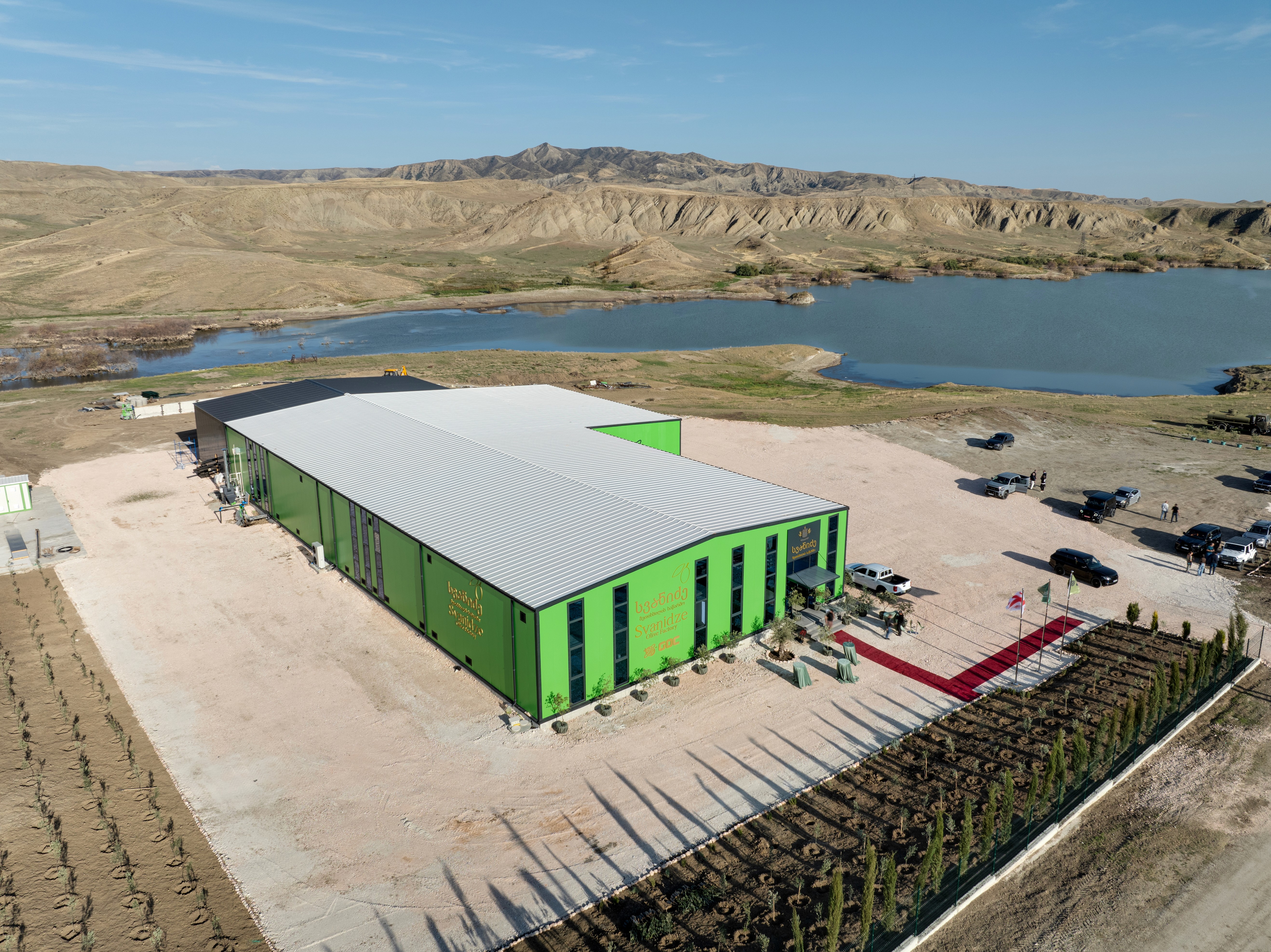
At Global Olive Corporation, we design our model around exactly these principles:
Real, long-lived olive plantations that can operate and produce for decades.
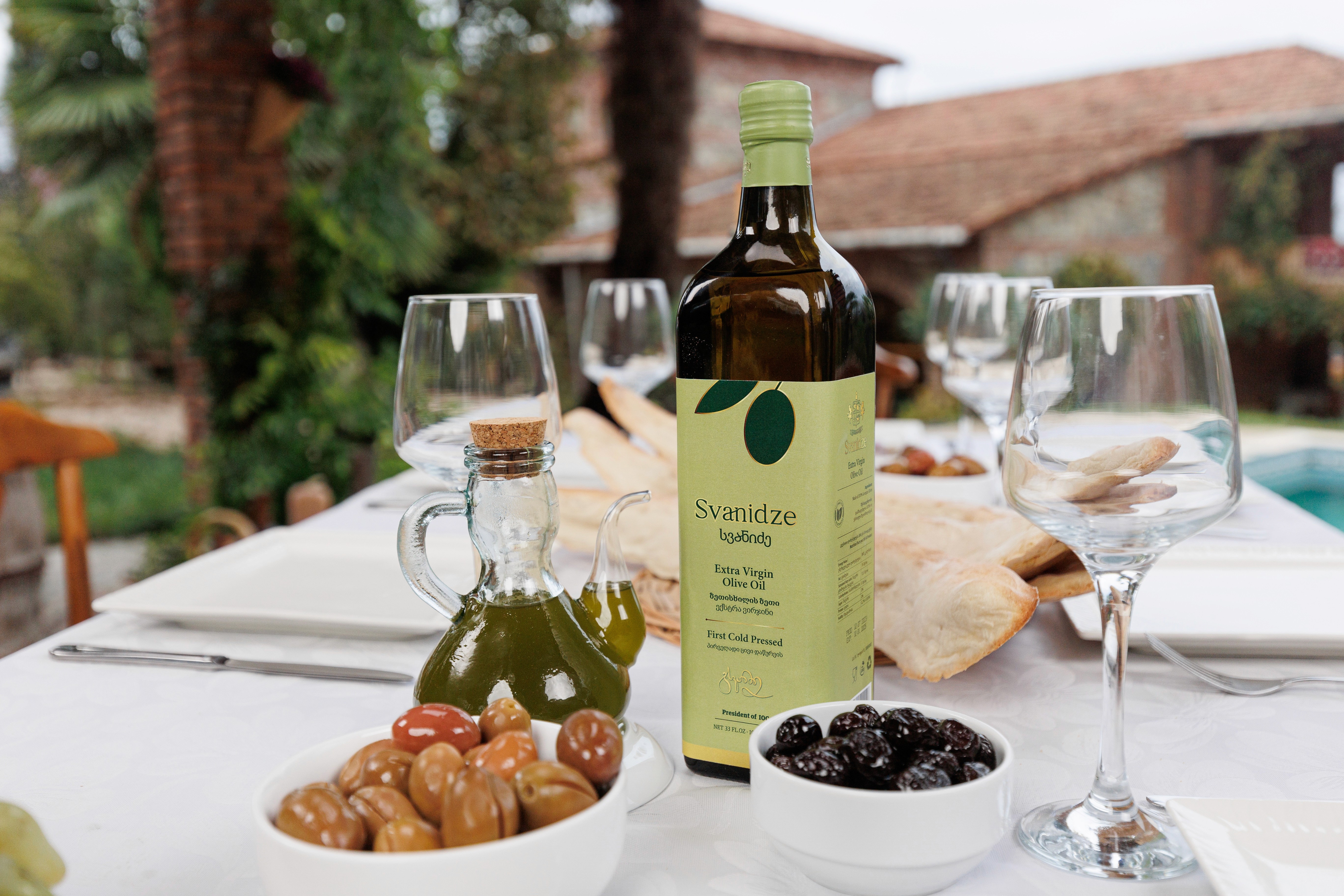
Olive oil and related products that turn climate-relevant land into economic value.
A data-driven approach that links each project’s physical performance to the way partners talk about climate and carbon.
For organisations that recognise themselves in the seven signs above, working with assets like ours can be one way to move from good intentions to structured, evidence-backed action.
A carbon footprint strategy is not about being perfect from day one. It is about deciding that emissions, climate and real-world assets deserve the same level of discipline as any other part of your business.
Olive trees just happen to be a very practical place to start.