2025 Reporting Checklist Built Around Olive Trees
May 4, 2025
By 2025, companies are expected to say more than “we care about the planet”. They are expected to show where their emissions come from, what they are doing about them, and which real assets support their transition.
In that context, nature-based projects are no longer a side note. They sit inside climate strategies, risk management and reporting. And among nature-based solutions, olive trees offer a particularly interesting combination of longevity, productivity and climate relevance.
This checklist is built around one simple idea:
if you plan to talk about climate and carbon, you should also be ready to talk about the real landscapes behind your numbers.
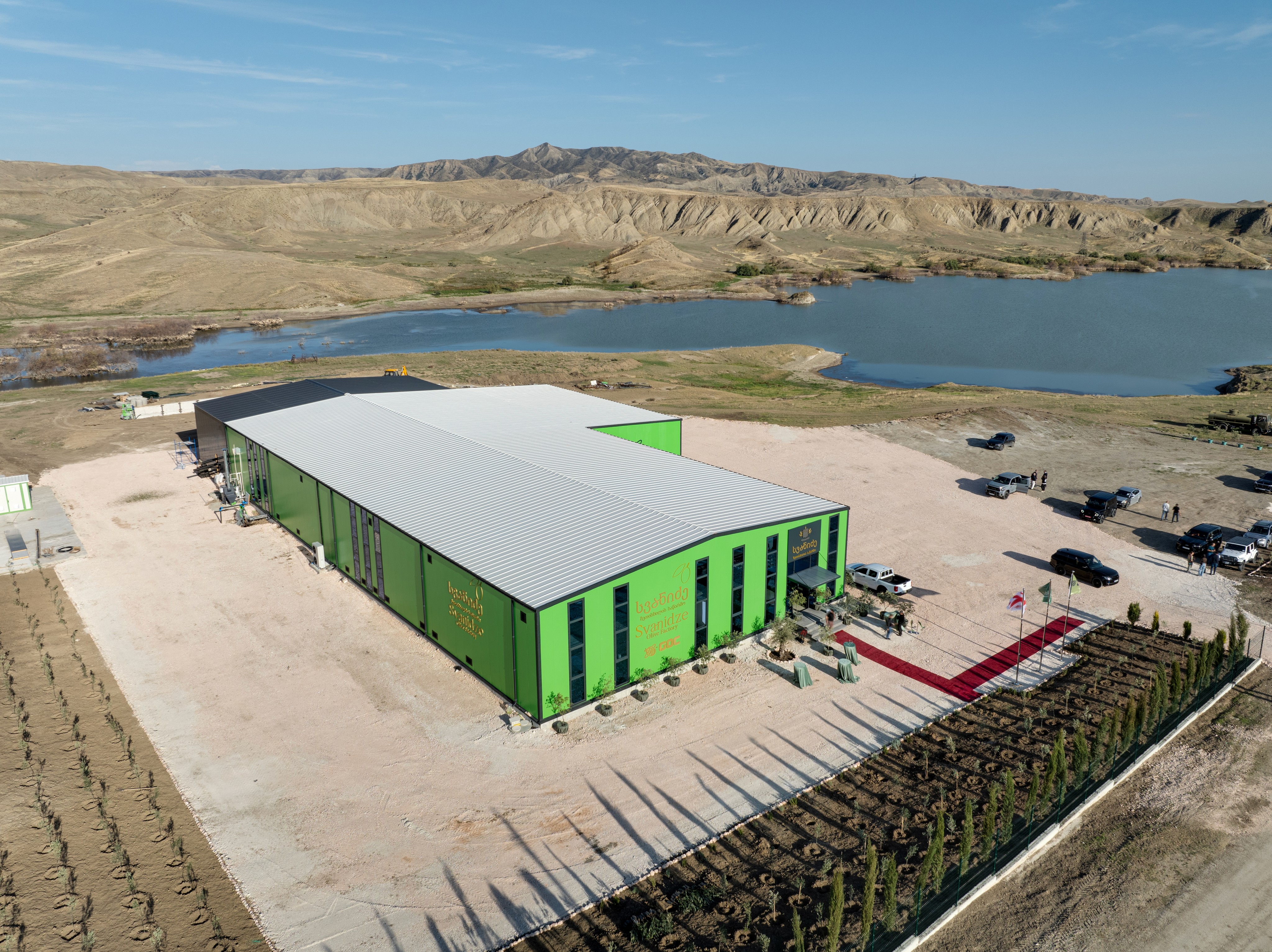
For us at Global Olive Corporation (GOC), that landscape is made of olive plantations, olive oil and the data that connects every tree to the story you tell in your reports.
1. Make space for long-lived nature assets in your climate story
A credible 2025 climate or carbon report should not only list emissions and percentages. It should show what sits on your balance sheet and in your supply chain that actually supports a lower-carbon future.
Olive trees are a good example of such an asset:
They are perennial: an olive tree can live and produce for decades.
They are productive: every year, trees generate fruit and oil, turning climate-relevant land into economic value.
They are rooted in real places: land use, soil health, biodiversity and local communities are all part of the picture.
If your organisation uses nature-based projects in its transition plan, a sensible 2025 checklist starts with one question:
“Do we work with assets and partners that will still be there in 10, 20, 30 years?”
An olive plantation designed and managed for the long term is much easier to explain in a report than a short-lived one-off initiative.
2. Check traceability: from tree to data, from data to disclosure
Carbon and climate reporting in 2025 is all about traceability and evidence. Numbers need a story, and the story needs a backbone of data.
For olive-based projects, that means you should be able to answer:
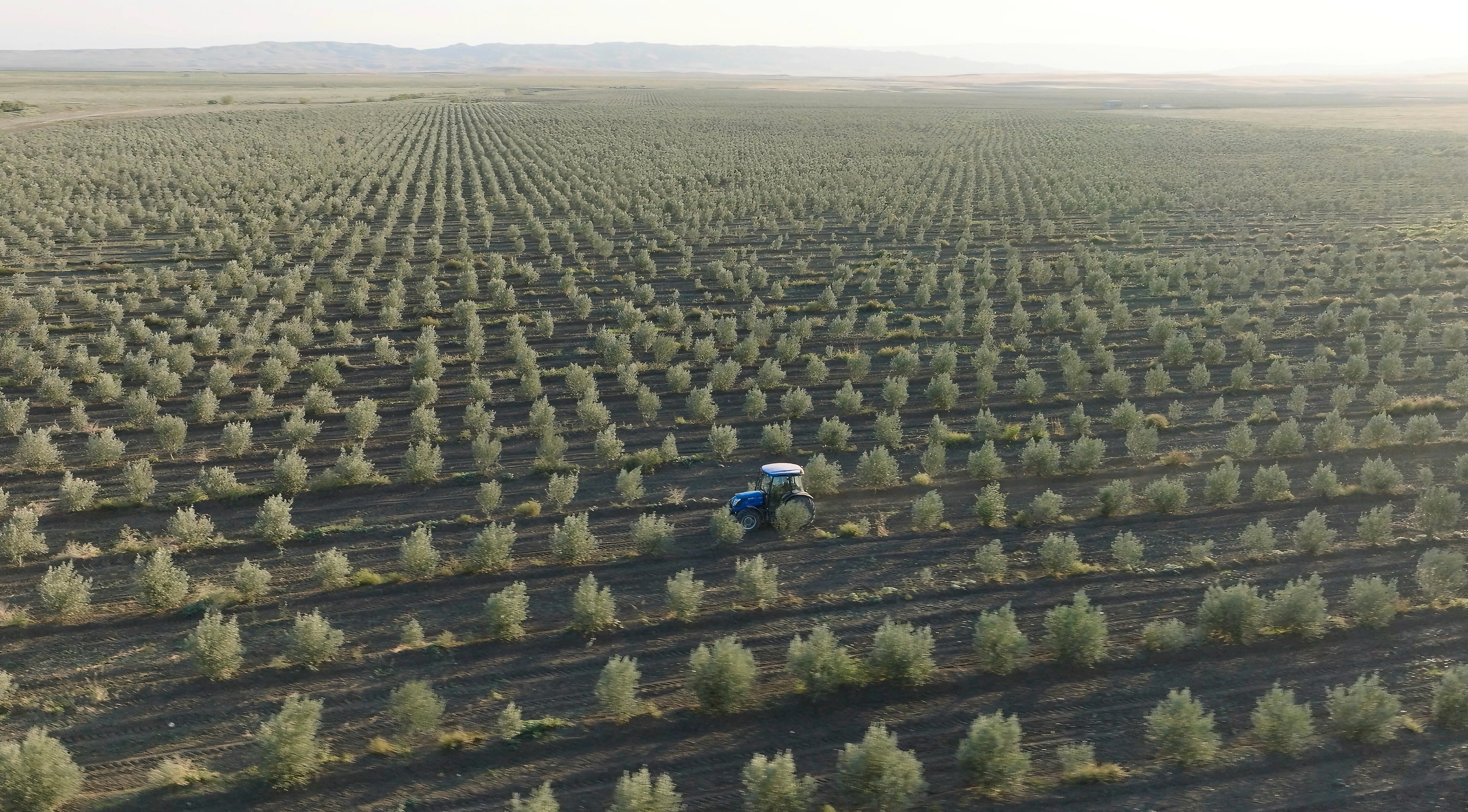
Where are the plantations located?
How many trees are there, and in what condition?
What is the management approach (irrigation, soil, inputs, harvesting)?
How is data collected and updated over time?
At GOC, our model is built on the idea that every tree should have a digital footprint. Plantation data, field observations and remote sensing are not just agronomy tools; they are what enables an investor or a partner to understand:
how the asset is evolving,
how it influences yields and risks,
and how it can be included in climate narratives without guesswork.
If you include olive-based projects in your climate reporting, your checklist for 2025 should include:
Clear descriptions of where your olives come from.
Evidence of how plantations are monitored and managed.
A basic explanation of how this information flows into your reporting processes.
3. Link harvests, products and climate value
Trees alone do not build a business. Harvests and products do.
That is why, in any serious carbon or sustainability report, nature-based assets should be connected to real economic activity.
For olive trees, this link is straightforward:
Trees grow and store carbon in wood, soil and landscape.
Trees produce olives.
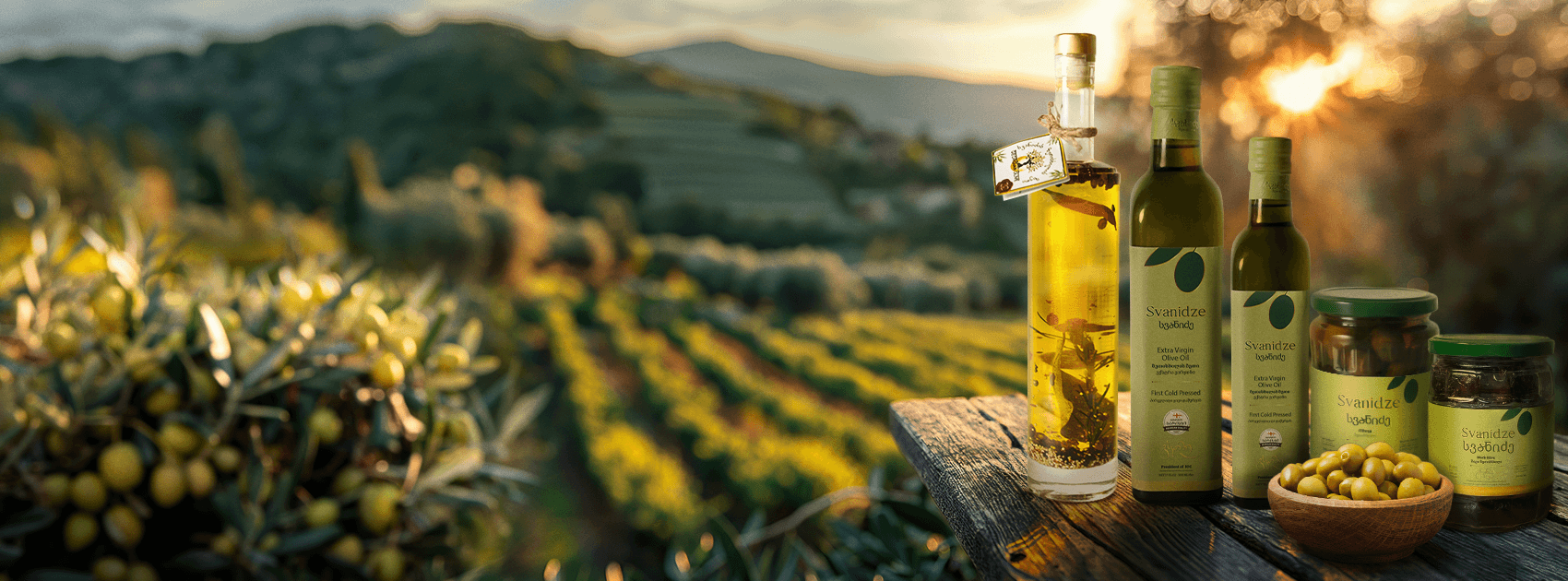
Olives become olive oil and related products.
Products reach markets, consumers and partners.
When this chain is managed transparently, it creates more than a climate narrative. It creates:
Traceable products with a clear origin story.
Stable, long-term relationships with buyers who care about both quality and impact.
A bridge between physical performance (yields, quality, resilience) and climate performance (emissions, removals, land use).
For your 2025 reporting, ask:
Can we show how our nature-based projects are linked to real products?
Do those products have consistent quality and traceability standards?
Are we describing both the climate dimension and the business dimension, not just one or the other?
In our case, we design plantations with the explicit goal of producing premium olive oil and, at the same time, delivering measurable environmental benefits. That combination is what makes the story usable in climate reports, not only in marketing.
4. Be explicit about roles: who owns what in the value chain
One common weakness in climate narratives is vagueness: projects are mentioned, trees are planted “somewhere”, partners are “working together”, but nobody is quite sure who does what.
If olive trees are part of your climate strategy or supply chain, 2025 is the year to be explicit:
Who owns or controls the land and the plantations?
Who is responsible for planting, maintenance and harvesting?
Who purchases or uses the resulting olive oil and products?
Who has the right to claim climate-related benefits (if any) in their reporting?
At GOC, we treat these questions as design elements, not afterthoughts. Clear structures around ownership, roles and rights make it much easier for partners to:
understand how to reflect the relationship in their own disclosures,
avoid double-counting of claims,
and explain to stakeholders why the partnership exists.
Your 2025 checklist should include a simple mapping of this structure wherever olives (or any other nature-based asset) show up in your climate- or sustainability-related content.
5. Use olives to talk about resilience, not just reductions
Climate conversations often focus on reducing emissions, and rightly so. But climate reporting in 2025 also expects you to address resilience: how your business is preparing for physical climate risks and changing conditions.
Olive trees can be part of that story:
They are naturally adapted to Mediterranean and semi-arid climates, where many other crops struggle.
Well-designed plantations can improve soil structure, water retention and microclimates, making landscapes more robust.
Long-term cultivation supports local economies and skills, reducing the volatility that comes with short-term land use.
In practical terms, when you talk about olives in your 2025 reporting, you can show:
how plantations are designed with water management and climate trends in mind,
how you plan for heat, drought and extreme events,
and how this contributes to the stability of your value chain.
For us at GOC, resilience is not an abstract word. It is a design parameter when we choose locations, varieties and management practices for olive trees that are meant to grow and produce for decades.
6. Turn partnership into a reporting asset, not a footnote
Finally, a good 2025 carbon or climate report does something simple: it turns partnerships with real projects into clear examples.
If your organisation partners with a project like ours, your checklist might look like this:
Name the partner and the type of asset (olive plantations, olive oil, landscape restoration).
Explain the purpose of the partnership (supply security, premium products, climate and nature strategy).
Describe the time horizon: this is not a one-off campaign, but a long-term collaboration.
Indicate where in your metrics and targets this partnership plays a role (Scope 3, product footprint, nature targets, etc.).
In return, our job is to provide:
Reliable information about plantations, production and impacts.
A structure that makes it easier for partners to integrate olives into their own reporting.
A narrative that is concrete, measurable and honest.
The bottom line
In 2025, carbon and climate reporting is not only about accounting. It is about showing the real assets and relationships that will carry your organisation through the transition.
Olive trees, when cultivated and managed as long-term productive assets, can be a strong part of that picture:
They are visible and tangible.
They connect climate, products and communities.
They can anchor credible, long-term narratives in both business and sustainability reports.
At Global Olive Corporation, we build our model on exactly that intersection:
olive trees, olive oil and the data that makes them part of a modern climate strategy.
If your 2025 checklist includes real assets, real places and real partners, olive plantations may deserve a dedicated line in it.